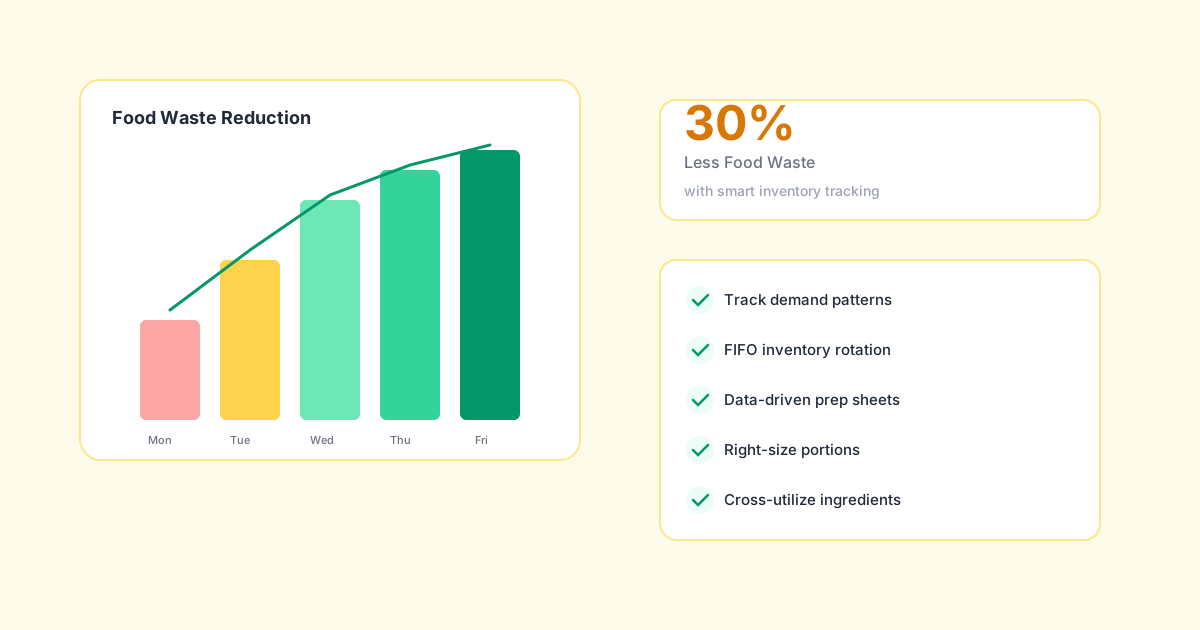
How Smart Inventory Management Reduces Food Waste by 30%
Food waste is one of the biggest challenges facing restaurants today. Studies show that the average restaurant wastes 4-10% of purchased food before it even reaches the customer. For a mid-sized restaurant in Dhaka spending ৳5,00,000/month on ingredients, that's ৳20,000-50,000 wasted every month.
Understanding Where Waste Happens
Food waste in restaurants typically occurs at three stages:
Over-ordering: Without accurate demand forecasting, restaurants order more than they need. Perishable items expire before they're used.
Prep waste: Kitchen staff prepare more than what's needed for service, especially for items with unpredictable demand.
Plate waste: Portion sizes that don't match customer expectations lead to uneaten food.
How Data Changes Everything
Modern restaurant management systems track every order in real time. This data becomes incredibly powerful when used for inventory decisions:
Practical Steps to Reduce Waste
The Bottom Line
Restaurants that implement data-driven inventory management consistently report 25-35% reduction in food waste within the first three months. That's money that goes straight to your bottom line.